
Scheurer-Kestner’s Intervention
An Officer and a SpyThis thread traces how Picquart’s evidence moves through Louis Leblois to a respected senator and becomes a public challenge to the official case.
increasing Bearing strength in each event
 decreasing
Bearing strength in each eventdecreasingInformation Leaves the Army
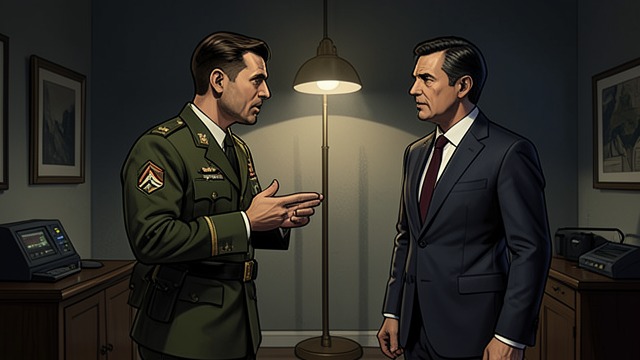
Information Leaves the Army
A careful intermediary
Georges Picquart tells Louis Leblois what he has discovered and why the army’s refusal to investigate is dangerous. Leblois warns that any disclosure may expose Picquart.
A route to authority
Rather than go directly to newspapers or the Dreyfus family, Picquart permits his lawyer to approach a trusted public figure. The choice balances urgency against the risk of discrediting the evidence.
The Senator Listens
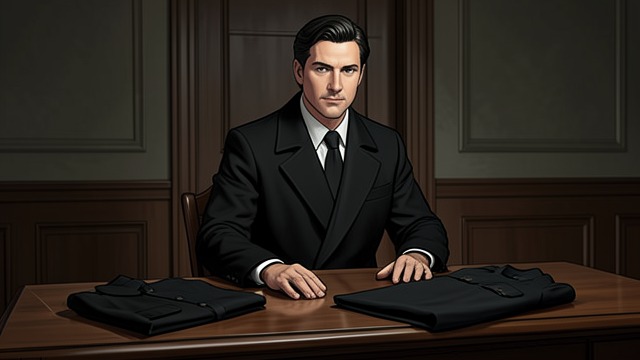
The Senator Listens
A public figure approached
Louis Leblois brings the case to Auguste Scheurer-Kestner, Vice President of the Senate and a respected Alsatian patriot. The senator examines the materials rather than dismissing them as factional agitation.
Private pressure first
Scheurer-Kestner initially tries to raise the matter confidentially with the government. His caution reflects the gravity of accusing the army, but it also gives officials time to avoid action.
A Public Declaration
A Public Declaration
Confidence stated openly
Scheurer-Kestner tells reporters that he believes Alfred Dreyfus innocent and will seek full justice. The announcement revives a case officials had hoped the country had forgotten.
Attention returns
His stature makes the issue harder to frame as the work of a family alone. The declaration gives journalists and politicians a new basis for demanding inquiry.
Mathieu Names Esterhazy
Mathieu Names Esterhazy
A concrete alternative
Mathieu Dreyfus publicly identifies Charles Ferdinand Walsin Esterhazy as the author of the bordereau. The accusation gives the renewed controversy a specific suspect.
The army forced to answer
Instead of quietly revising its earlier conclusion, the military allows Esterhazy’s proceeding to become a public test. Its outcome will expose the conflict between evidence and institutional reputation.
A Wider Movement
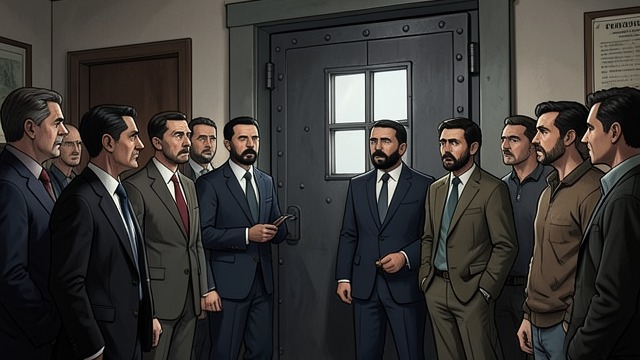
A Wider Movement
From advocacy to coalition
The case draws together lawyers, journalists, politicians, and writers including Émile Zola and Georges Clemenceau. Their cooperation makes the Dreyfusards a recognizable public movement.
Costs of intervention
Members lose offices, face prosecution, or endure public hostility. Their alliance depends on keeping attention on evidence despite the state’s efforts to narrow every proceeding.
Autumn 1896
Autumn 1897
October 1897
November 1897
1898
